
BNNRC National Consultation Calls for Coordinated Action to Prevent and Respond to Technology-Facilitated Gender-Based Violence
As digital technologies expand opportunities and risks, stakeholders urge stronger policies, platform accountability, survivor-centred support, and collective responsibility to build a safer digital society
Digital technologies have transformed the way people communicate, access services, and participate in social and economic activities. However, the rapid growth of digital platforms has also created new forms of violence, including online harassment, cyberstalking, image-based abuse, identity fraud, data exploitation, and technology-facilitated gender-based violence (TFGBV).
Women, children, adolescents, and gender-diverse individuals are disproportionately affected by these emerging digital threats. Addressing TFGBV requires more than technological responses alone. It demands coordinated policies, stronger institutional mechanisms, accountability from technology platforms, improved access to justice, and increased awareness among individuals, families, and communities.
Against this backdrop, speakers at a national consultation called for collective action to prevent, mitigate, and respond effectively to TFGBV in the context of digital development.
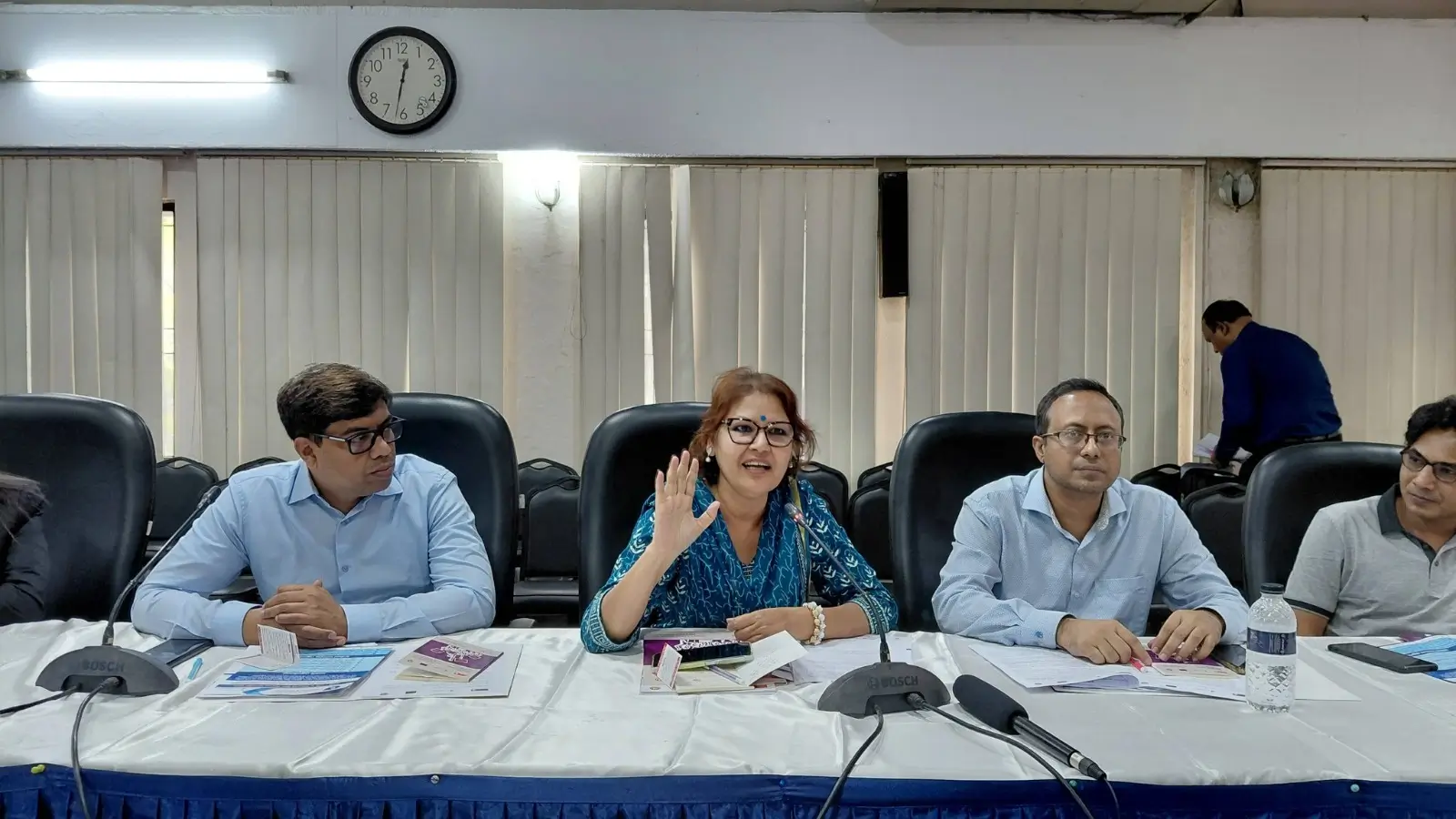
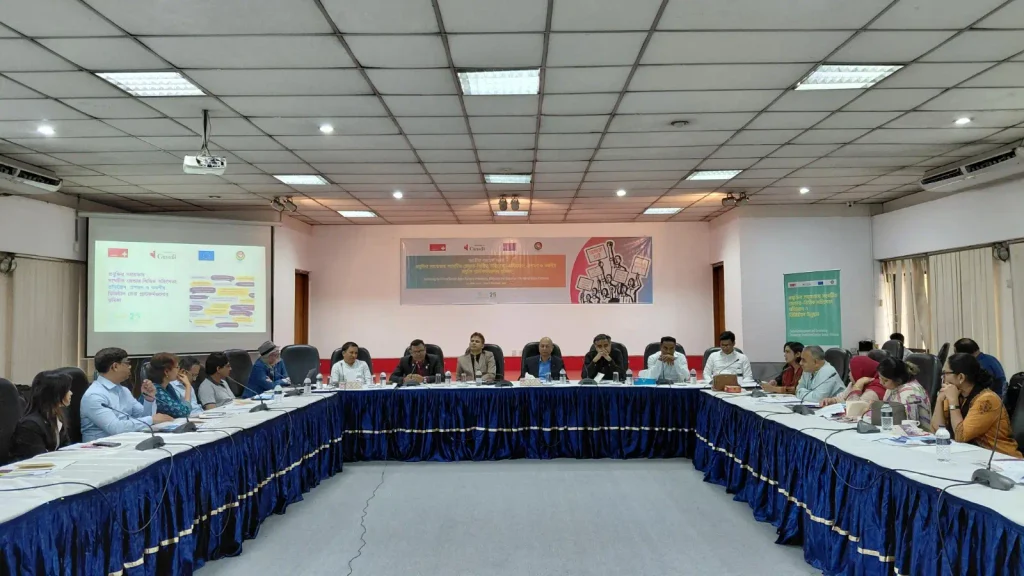
The Bangladesh NGOs Network for Radio and Communication (BNNRC) organized the national consultation titled “Prevention, Mitigation and Response for Technology-Facilitated Gender-Based Violence in the Context of Digital Development: The Role of Technology Platforms” at the CIRDAP Auditorium, Dhaka. The session was moderated by development expert Dr. S M Morshed.
The consultation was organized under BNNRC’s project “Strengthening Resilience Against Technology-Facilitated Gender-Based Violence (TFGBV) and Promoting Digital Development.” The project is implemented under the Nagorikata: Civic Engagement Fund (CEF) Programme, funded by Switzerland, Global Affairs Canada, and the European Union, with technical assistance from GFA Consulting Group.
The welcome remarks and keynote presentation were delivered by AHM Bazlur Rahman, Chief Executive Officer of BNNRC. Distinguished participants and speakers included Mr. Mohammad Anwar Uddin, Additional Secretary, ICT Division; Barrister Khalilur Rahman, Acting Director General, NGO Affairs Bureau; Mr. Md. Jahidul Islam, Additional DIG, Criminal Investigation Department (CID); Mr. Md. Farhan Alam, Deputy Director, Bangladesh Telecommunication Regulatory Commission (BTRC); Mr. Md. Nurul Islam, Capacity Development and Management Expert, GFA Consulting Group’s Nagorikata Programme; and Ms. Tahrina Tahrima Chowdhury, Research Fellow, Bangladesh Institute of Development Studies (BIDS), among others.
In his keynote remarks, AHM Bazlur Rahman emphasized that TFGBV represents an evolving form of gender-based violence that requires urgent attention within the broader digital transformation agenda. He highlighted the need for coordinated prevention strategies, effective protection mechanisms, timely access to remedies, and survivor-centred approaches involving government, civil society, media, technology platforms, and communities.
During the consultation, speakers highlighted that while digital technologies have improved access to information, services, and opportunities, they have also increased exposure to harmful practices such as blackmail, cyber harassment, identity theft, unauthorized sharing of personal information, manipulated images, and gender-based hate speech.
According to data presented during the consultation, a 2024 report by the Bangladesh Bureau of Statistics (BBS) and the United Nations Population Fund (UNFPA) found significant levels of online violence experienced by women social media users in Bangladesh, with women aged 18–30 identified as a particularly vulnerable group.
The consultation discussed various forms of TFGBV, including:
cyberstalking;
cyberbullying;
doxxing and unauthorized disclosure of personal information;
hacking and digital account abuse;
image-based abuse;
online harassment;
child grooming;
technology-facilitated sexual violence;
gender-based hate speech.
Participants emphasized the need to strengthen legal and policy frameworks, improve institutional coordination, enhance access to justice, ensure accountability of technology platforms and service providers, and develop awareness initiatives tailored to local contexts.
Speaking at the consultation, Mr. Md. Farhan Alam, Deputy Director of BTRC, stated that the commission received 13,023 complaints related to content removal from social media platforms during the previous year, and more than 12,000 pieces of content were removed. He noted that approximately 90 percent of complainants were women and stressed the importance of strengthening awareness at family and community levels to prevent online harassment.
Mr. Mohammad Anwar Uddin, Additional Secretary of the ICT Division, highlighted that Bangladesh has established legal frameworks to address cyber-related offences and emphasized the need for greater public awareness about available legal protections and remedies.
Mr. Md. Jahidul Islam, Additional DIG of CID, noted that effective action often depends on victims’ willingness and ability to report incidents. He stressed the importance of encouraging survivors to seek legal support and strengthening access to justice mechanisms.
Barrister Khalilur Rahman, NDC, emphasized the importance of educating digital users about online risks, responsible technology use, and the potential harms associated with misuse of digital platforms.
The consultation also highlighted the importance of strengthening survivor support mechanisms. Participants were informed about available services through the Police Cyber Support for Women (PCSW), including the hotline 01320-000888, Facebook support channels, and email services.
Speakers further discussed the growing challenge of doxxing, where personal information is shared without consent to threaten, intimidate, or silence individuals. They emphasized that such violations can create serious and long-lasting psychological and social consequences, requiring preventive action at institutional and community levels.
Mr. Md. Nurul Islam highlighted that fear, stigma, and social pressure often discourage women from reporting technology-facilitated violence. He stressed the importance of effective identity verification mechanisms, awareness campaigns, and stronger cooperation among stakeholders to reduce abuse involving fake accounts and anonymous digital identities.
The consultation also addressed broader issues including digital sovereignty, data protection, responsible technology governance, and engagement with international technology platforms. Participants emphasized that stronger cooperation with global digital platforms and development of context-specific solutions for Bangladesh could contribute significantly to reducing fake accounts, online abuse, and harmful digital practices.
At the conclusion of the consultation, participants called for continued collaboration among government institutions, NGOs, civil society organizations, media, technology companies, law enforcement agencies, and communities to:
strengthen national prevention and response mechanisms for TFGBV;
improve awareness of digital rights and responsibilities;
enhance survivor-centred support services;
promote responsible technology use;
strengthen accountability and transparency of digital platforms;
develop evidence-based policies for a safer and more inclusive digital future.
The consultation concluded with a shared commitment that digital development must go hand in hand with human rights protection, gender equality, information integrity, and meaningful participation for all members of society.