
Strengthening Community Radio to Combat Technology-Facilitated Gender-Based Violence and Advance Digital Development in Bangladesh
Empowering local broadcasters with knowledge, skills, and strategies to use radio and social media as tools for awareness, prevention, and community resilience against technology-enabled violence
Digital transformation is reshaping how people communicate, access information, and participate in society. However, alongside these opportunities, technology has also created new forms of violence and exclusion, particularly affecting women, girls, and marginalized communities. Technology-Facilitated Gender-Based Violence (TFGBV) has become a growing concern, requiring stronger awareness, locally relevant information, and community-driven solutions.
In rural and underserved communities, where access to reliable information and support services remains uneven, community radio can play a critical role in bridging information gaps, promoting digital literacy, and connecting communities with available protection and support mechanisms.
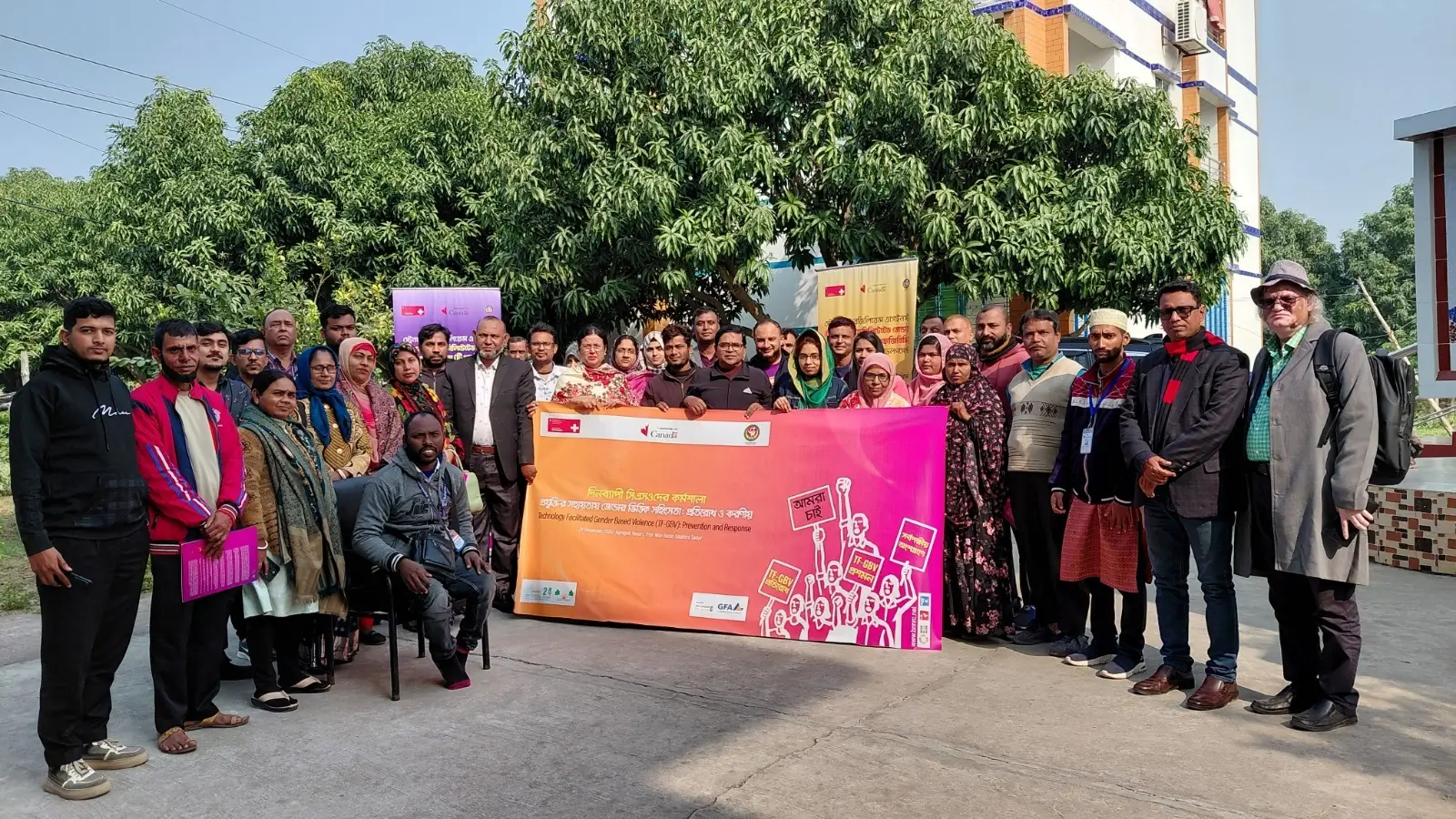
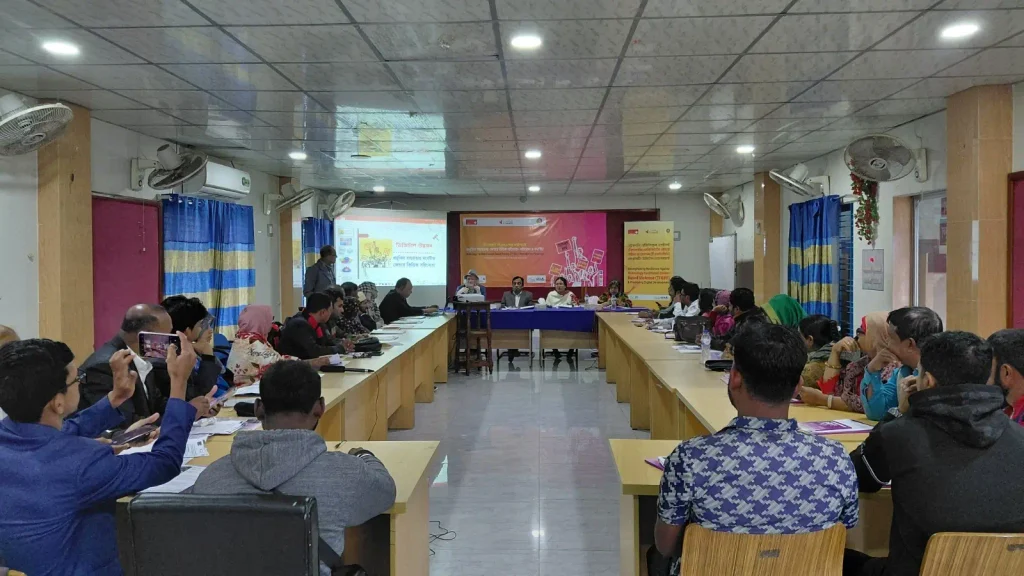
Recognising the transformative role of community media, the Bangladesh NGOs Network for Radio and Communication (BNNRC) organised a two-day Content Development Planning Workshop on “Community Radio and Social Media on Technology-Facilitated Gender-Based Violence (TFGBV) and Digital Development” from 10–11 September 2025 at the YWCA Conference Room, Mohammadpur, Dhaka.
The workshop brought together 18 senior programme producers and station managers from nine community radio stations across Bangladesh to strengthen their capacity in developing audience-centred radio programmes and social media content addressing TFGBV prevention, digital safety, and inclusive digital development.
The participating community radio stations included:
Community Radio Nalta 99.2 FM, Kaliganj, Satkhira
Community Radio Lokobetar 99.2 FM, Barguna
Community Radio Pollikontho 99.2 FM, Moulvibazar
Community Radio Sagor Giri 99.2 FM, Sitakunda, Chattogram
Community Radio Chilmari 99.2 FM, Chilmari, Kurigram
Community Radio Jhenuk 99.2 FM, Jhenaidah
Community Radio Meghna 99.0 FM, Charfassion, Bhola
Community Radio Sagardwip 99.2 FM, Hatiya, Noakhali
Community Radio Sarabela 98.8 FM, Gaibandha
The workshop was organised under the project “Strengthening Resilience Against Technology-Facilitated Gender-Based Violence (TFGBV) & Promoting Digital Development.” The initiative is part of the Nagorikata: Civic Engagement Fund (CEF) Programme, implemented with technical support from GFA Consulting Group and funded by the Embassy of Switzerland and Global Affairs Canada (GAC).
Building Community Media Capacity for Digital Safety and Inclusion
The workshop began with a welcome address by AHM Bazlur Rahman, Chief Executive Officer of BNNRC, who highlighted the objectives, expected outcomes, and strategic importance of engaging community radio in addressing TFGBV and promoting responsible digital development.
The session was moderated by Rehan Uddin Ahmed Raju, Development Consultant.
During the opening session, Katharina König, Deputy Team Leader of CEF, presented an overview of the Nagorikata: Civic Engagement Fund (CEF) Programme, including its objectives, key outcomes, stakeholders, governance structure, and targeted beneficiaries.
She highlighted three core principles of CEF:
Collaborative partnership and co-creation as a shared practice;
Leaving No One Behind (LNOB) to the extent possible;
Being versatile and adapting to changing contexts.
Strengthening Knowledge, Content Innovation, and Community Engagement
The workshop featured interactive sessions on:
Understanding Technology-Facilitated Gender-Based Violence;
Digital development and its relationship with TFGBV;
Laws, regulations, and responsible social media use;
Gender concepts and their connection with development;
Community radio programme ideas and formats;
Social media integration planning;
Law enforcement mechanisms and support systems related to TFGBV.
Through these sessions, participants explored how community radio and digital platforms can be used not only for awareness raising but also for encouraging dialogue, reducing stigma, promoting safe online behaviour, and connecting communities with relevant services.
The expert facilitators included:
Mr. Abu Sayed Sumon, National Programme Officer – Gender & Human Rights, UNFPA;
Mr. AHM Bazlur Rahman, CEO, BNNRC;
Ms. Sharmin Khan, Legal Consultant, International Centre for Not-for-Profit Law (ICNL);
Mr. Imam Hossain, Steps Towards Development;
Mr. Shakil Ahmed, Head of Programme, Radio Shadhin Pvt. Ltd. (92.4 FM);
Ms. Mobashera Habib Khan, Police Super, Cyber Police Centre, CID, Bangladesh Police;
Mr. Amin Al Rasheed, Radio Expert;
Ms. Shahnaz Sharmeen, Radio Expert.
Impact: Community Radio as a Catalyst for Safer Digital Communities
The workshop strengthened the capacity of community broadcasters to design creative, inclusive, and audience-focused content on TFGBV prevention and digital development.
By combining traditional community media with social media platforms, participants developed strategies to:
create locally relevant awareness programmes;
promote digital literacy and responsible online behaviour;
strengthen community dialogue on gender equality and digital safety;
connect vulnerable communities with service providers and support mechanisms;
engage local stakeholders in preventing TFGBV.
The workshop also reinforced the importance of community radio as a trusted platform for reaching rural populations, including women, youth, and marginalized groups who may face barriers in accessing digital information and support services.
Call for Continued Action: Expanding Community-Led Digital Safety Initiatives
In the closing session, Md. Anwar Hossain, Director (Project-1), Joint Secretary, NGO Affairs Bureau, Chief Advisor’s Office, attended as the Chief Guest.
He emphasized that community radio, due to its strong presence in rural areas and connection with marginalized communities, has significant potential to raise awareness through radio programmes and social media content.
He encouraged community broadcasters to strengthen engagement with local administrations and relevant stakeholders to ensure greater impact, coordination, and sustainability of TFGBV prevention initiatives.
At the conclusion of the two-day workshop, participants committed to applying their newly acquired knowledge and skills to develop community-focused radio and social media campaigns addressing TFGBV and digital development.
BNNRC believes that empowering community media actors, strengthening digital literacy, and fostering collaboration among government institutions, civil society, law enforcement agencies, and local communities are essential steps toward building a safer, more inclusive, and resilient Digital Bangladesh.
Through the collective power of community voices and responsible digital engagement, community radio can become a stronger force for preventing technology-facilitated violence and advancing social development.